

Letting go of note-taking, and focusing on the proposal|Omusubi Inc.
At Omusubi Inc., follow-up after a business card exchange went from about three minutes to about one. Automatic meeting records removed forgotten recordings and manual note-taking, leaving more time for client conversations and proposal preparation.
This English translation is provided for reference only. In the event of any discrepancy, the Japanese version shall prevail.
Omusubi Inc. works under the mission "Weave the aspirations of a region, and become the baton for the next generation." Guided by its Civic Compass concept, it partners with local governments, collaborates with companies and organisations, supports the growth of companies and organisations, and runs the Civic Compass Forum.
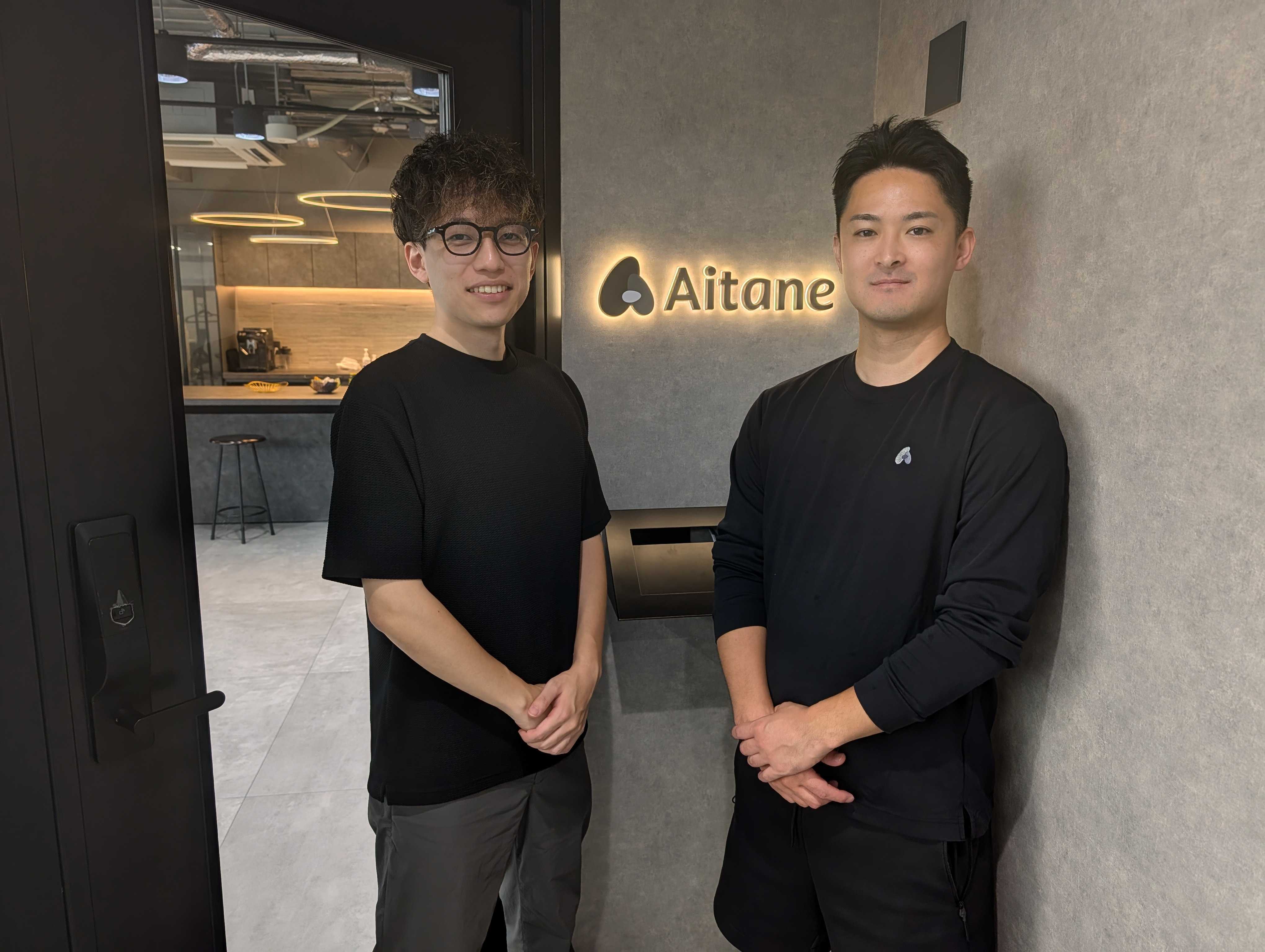
Since 10 June 2026, CEO Haruki Seki and a co-representative have been using Aitane. We asked Seki about the challenges before adoption, how the product is used day to day, and what changed afterwards.
Remarks in this article have been edited for readability without altering the intent of the interview.
Highlights
- Writing and sending an email after a business card exchange went from about three minutes to about one per contact
- At a networking event the day after adoption, cards were scanned on the spot and a first meeting was set with a contact followed up there
- Online meetings are recorded automatically, removing forgotten recordings and manual minute-taking
- Past minutes and audio are used for follow-up proposals, document preparation, and regular sessions with existing clients
Four businesses under the Civic Compass concept
Omusubi Inc. runs four areas of business under Civic Compass, a name meaning a compass for the community.
- Region (support for designated areas): working directly with local governments on the challenges specific to a region
- Collabo (collaboration): partnering with companies and organisations to widen the points of contact for community building
- Support (nationwide growth support): supporting the growth of companies and organisations across Japan with specialist knowledge, through OMUSUBI Bridge and the back-office service BANTO-SAN
- Social (spreading Civic Compass): carrying the philosophy into society and involving the next generation through the Civic Compass Forum
In its regional design business, projects are running in more than twelve areas nationwide. Working with local governments, regional companies and young people, the company takes on open innovation, revitalising town centres, encouraging migration and settlement, smart city development, and developing the people who communicate the appeal of a region.
Alongside management, business development and internal leadership, Seki also handles sales. He takes over the contacts his co-representative builds at networking events and closes inside-sales and referral opportunities. Proposals to local governments can take around eight months from first contact to becoming a project, so keeping an accurate history of a deal over a long period is essential.
The challenge: stalled card follow-up and forgotten recordings
Before adoption, cards exchanged at networking events were brought back to the office, where emails were written while checking the details of each person. Exchanging around ten cards at once made it easy to put the work off, and following up took about three minutes per contact.
Forgetting to press record in online meetings was another problem. With many meetings each day, it was not always possible to recall what had been discussed once time had passed. Records that allow the history to be traced were particularly necessary for follow-up proposals months later and for regular sessions with existing clients.
Deal stages were also managed in Trello and Notion, but business cards, email, meeting records and deal information were not part of a single flow.
Why Aitane: connecting the card to the next meeting
The company had used a business card management service before, but it did not take hold — registering a card and sending an email were separate steps, and continued use was a burden.
Aitane reads the card, drafts the follow-up email, and manages the contact as customer information, all in one flow. Its operation is intuitive, and the simplicity of being able to try things as you go was another factor in the choice.
That a request from Seki was implemented in about three weeks also built trust.
Seki: Perhaps it was because this was a solution I felt comfortable recommending to other people.
In practice 1: scanning a card and following up on the spot
After exchanging cards at an event, Seki scans them in Aitane, checks the drafted email, and sends it. What used to take about three minutes per contact now takes about one.
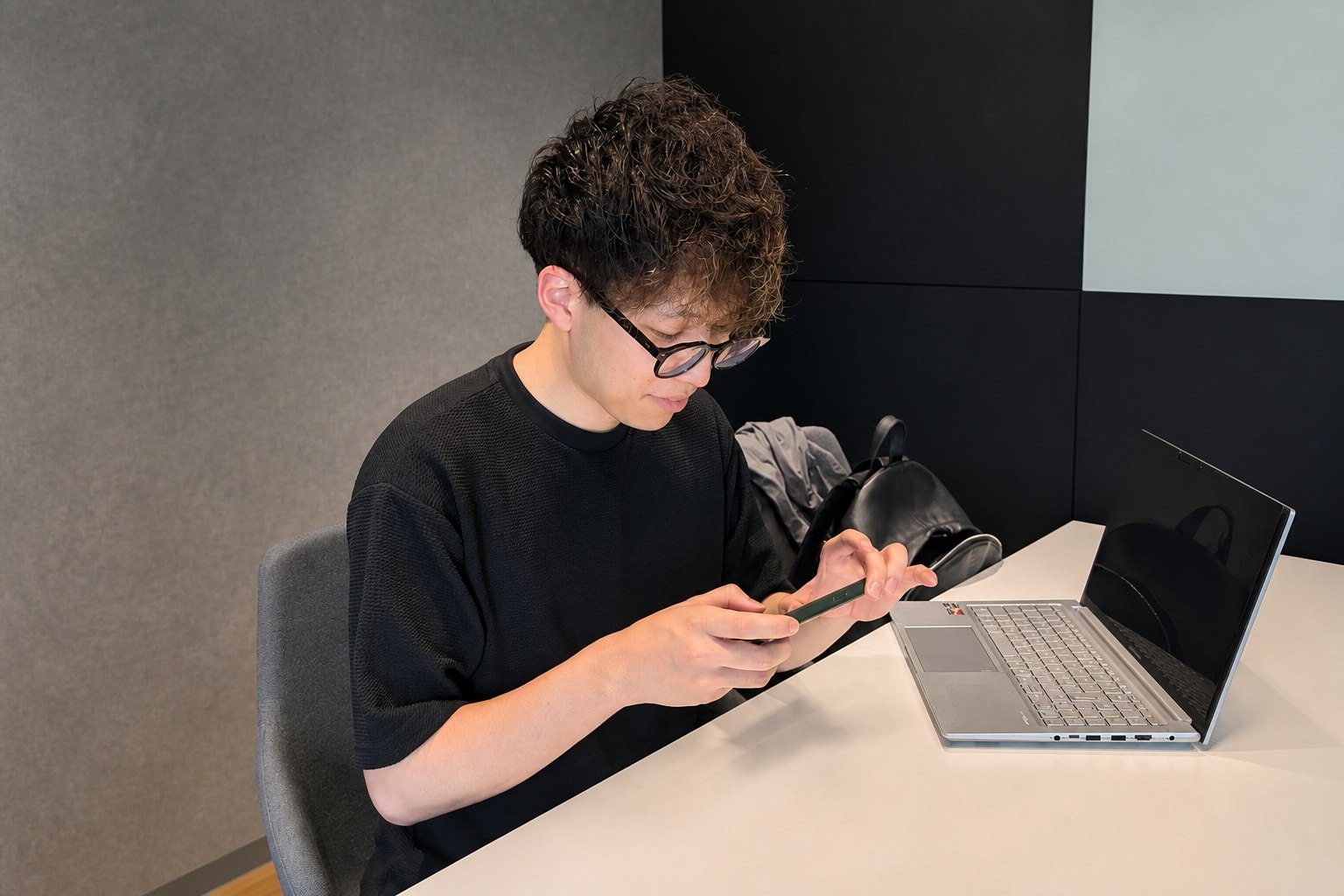
The effect became clear the day after adoption. Cards exchanged at a networking event were scanned on the spot and followed up immediately, and a first meeting with one contact was arranged.
Seki: I can exchange a card and send the email straight away.
He feels a fast reply also makes a response more likely from people who value speed. The quantitative change in overall reply rates is something the company will keep verifying.
In practice 2: recording meetings automatically and focusing on the conversation
The most frequently used feature is automatic meeting recording. Registering an appointment in Google Calendar brings Aitane into the online meeting, so there is no recording step to forget. Seki no longer takes minutes by hand and can concentrate on the conversation itself.
Seki: Not having to ask what we talked about last time because of a forgotten recording was a breakthrough. There was also no longer any need to take minutes.
The records are used not only right after a meeting but for follow-up proposals and document preparation months later. When he remembers the name of a person but not the date of the meeting, he searches past meetings in Aitane. For regular sessions with existing clients, he checks the previous discussion before moving into the next conversation.
The result: from keeping records to sharpening proposals
The time freed by shorter card follow-up and the removal of minute-taking now goes into improving the quality of proposal documents, creating new opportunities, and internal management.
Meeting records have also helped protect the quality of client work. When a misunderstanding arose in a client engagement, the minutes and recording could be checked, and what had been agreed could be organised on the basis of fact.
Seki: If Aitane stopped working tomorrow, I would be in trouble in every single meeting.
Current challenges and what comes next
Alongside the benefits, building Aitane into the workflow of the whole company is still in progress. It is currently used mainly by the two representatives, and there is room to improve the connection with deal information in Trello and Notion and to establish pipeline operation.
Other requests raised were an experience for photographing cards continuously and processing them in a batch, an easier way to create email templates, and better extraction accuracy for amounts and deal stages.
What Seki hopes for further is support that combines the information accumulated in meetings with the brand and proposal patterns of the company, extending as far as producing proposal documents. He pictures an experience that works with the AI tools he already uses to shape proposals that feel distinctly like Omusubi.
For companies considering Aitane
Seki believes Aitane suits organisations building their sales flow through trial and error: startups and one-person companies just after going independent that want to increase sales volume, and new business development teams inside large companies.
Seki: Even if you already use a CRM, I think it is worth running this alongside it first. Starting small is the way to go.
Company information
- Company name: Omusubi Inc.
- Representative: Haruki Seki, CEO
- Location: Kyoto City, Kyoto
- Business: local government contract work, BPO support, Civic Compass Forum (regional design business)
- Website: Omusubi Inc.